
insulated glass unit replacement
Understanding Thread Ring Gauge Standards Thread ring gauges are essential tools used in manufacturing and quality control to ensure the precision of threaded components. These gauges measure the external threads of a screw or bolt, confirming their compliance with specified dimensions and tolerances. As industries rely on high precision for functionality and safety, thread ring gauge standards play a crucial role in ensuring uniformity and reliability in threaded products. What is a Thread Ring Gauge? A thread ring gauge is a cylindrical gauge designed to inspect external threads on fasteners like screws and bolts. It has two main types the Go gauge and the No-Go gauge. The Go gauge checks if a thread fits properly, signifying that it is within the specified limits. Conversely, the No-Go gauge ensures that the thread does not exceed maximum limits, indicating that the part is defective if it passes through. This dual function ensures both acceptance and rejection criteria are met, promoting quality in production. Importance of Standards in Thread Ring Gauges Standards for thread ring gauges are crucial because they provide uniformity in measurements across different manufacturers and industries. The most recognized standards include those set by the International Organization for Standardization (ISO), the American National Standards Institute (ANSI), and the American Society of Mechanical Engineers (ASME). These organizations outline the specifications for thread dimensions, tolerances, and testing methods. Using standardized gauges ensures consistency, accuracy, and compatibility of threaded products. When industries adopt these standards, they benefit from reduced errors and improved communication between suppliers and manufacturers, facilitating smoother production processes and minimizing costly rework. Types of Thread Standards thread ring gauge standard Thread standards can vary based on the region and application. For instance, metric threads are widely used in Europe and many other parts of the world, adhering to ISO standards. These threads are defined by their diameter and pitch (distance between threads). On the other hand, Unified National threads (UNC and UNF) are more common in the United States. Each of these threads has specific ring gauge standards that accompany them, dictating their tolerances and fitting characteristics. The thread form itself is another consideration. The most common types include the triangular profile of ISO and ANSI threads, along with trapezoidal and square threads used for specific applications. Each of these forms has inherent characteristics affecting how they engage with corresponding components, emphasizing the need for precise gauging. Calibration and Maintenance of Thread Ring Gauges To maintain accuracy, thread ring gauges must be regularly calibrated and properly maintained. Calibration involves comparing the gauge measurements against a standard reference. It is crucial to ensure that the gauges remain within prescribed tolerances to ensure continued quality assurance. Proper storage is equally important. Thread gauges should be kept clean and free from moisture to avoid corrosion and wear. Additionally, they should be handled carefully to prevent accidental damage. Conclusion In conclusion, thread ring gauge standards are vital for quality assurance in industries that rely on cylindrical fasteners. The structured approach provided by these standards fosters accuracy and consistency across manufacturing processes. As technology and manufacturing processes evolve, so too will the standards for thread ring gauges, requiring industries to stay informed and ensure compliance to maintain quality. The integration of these standards not only promotes precision but also enhances safety, reliability, and customer satisfaction in an increasingly competitive market.
about
insulated glass unit replacement
Stalowa produkcja Klucz do sukcesu w budownictwie Produkcja stali to jeden z najważniejszych sektorów przemysłu, który odgrywa fundamentalną rolę w różnych gałęziach, w tym budownictwie, motoryzacji czy infrastrukturze. Dzięki zastosowaniu stali w różnych formach, możliwe jest tworzenie trwałych konstrukcji, które są odporne na różnorodne warunki atmosferyczne i mechaniczne obciążenia. W artykule tym przyjrzymy się różnym aspektom obróbki stali oraz jej znaczeniu w dzisiejszym świecie. Wprowadzenie do obróbki stali Obróbka stali obejmuje szereg procesów, które przekształcają surowce stalowe w gotowe elementy konstrukcyjne. Procesy te mogą obejmować cięcie, gięcie, spawanie, malowanie oraz montaż. W każdym z tych etapów, wysokiej jakości narzędzia i technologie są kluczowe dla osiągnięcia pożądanych rezultatów. Nowoczesne zakłady produkcyjne korzystają z zaawansowanych maszyn CNC, które zapewniają precyzyjne cięcie i formowanie stali, co zwiększa efektywność produkcji i redukuje straty materiałowe. Rodzaje stali i ich zastosowanie Stal jest materiałem niezwykle różnorodnym. Możemy wyróżnić kilka podstawowych rodzajów stali, takich jak stal węglowa, stal nierdzewna, czy stal stopowa. Stal węglowa, której głównym składnikiem jest węgiel, jest najczęściej stosowanym typem stali w budownictwie. Jest ona łatwa w obróbce i ma dobre właściwości mechaniczne. Stal nierdzewna, z kolei, charakteryzuje się odpornością na korozję i jest często używana w środowiskach, gdzie występuje kontakt z wodą czy chemikaliami. Krytyczne etapy procesu produkcji steel fabrication table Jednym z kluczowych etapów w obróbce stali jest spawanie. To proces, który polega na łączeniu dwóch lub więcej elementów stalowych w jedną całość przy użyciu wysokiej temperatury. W zależności od zastosowania, można zastosować różne techniki spawania, takie jak spawanie łukowe, TIG czy MIG. Wybór odpowiedniej metody zależy od rodzaju stali oraz wymagań dotyczących wytrzymałości konstrukcji. Kolejnym ważnym etapem jest malowanie stali, które ma na celu ochronę przed korozją oraz poprawę estetyki finalnego produktu. Właściwe przygotowanie powierzchni oraz dobór odpowiednich farb i technologii malarskich mają znaczący wpływ na trwałość i wygląd stalowych elementów. Znaczenie dla przemysłu budowlanego Obróbka stali jest niezbędnym elementem w budownictwie, gdzie stal wykorzystywana jest zarówno w konstrukcjach nośnych, jak i w elementach wykończeniowych. Dzięki swojej wytrzymałości i elastyczności, stal pozwala na wznoszenie nowoczesnych budynków, mostów czy wieżowców. Współczesne trendy w architekturze, takie jak budynki ekologiczne czy inteligentne konstrukcje, również korzystają z zalet stali, co czyni ją materiałem przyszłości. Podsumowanie Obróbka stali to kluczowy element współczesnego przemysłu, który ma ogromny wpływ na wiele dziedzin życia. Dzięki nowoczesnym technologiom i innowacjom, stal pozostaje jednym z najważniejszych materiałów budowlanych, a jej zastosowanie będziemy obserwować w różnych formach jeszcze przez wiele lat.
-

High quality industrial productsagement

High quality industrial products
View Details -

Meet the diverse needs of customers

Meet the diverse needs of customers
View Details -

Strict quality control

Strict quality control
View Details -

Top raw materials

Top raw materials
View Details -

Trusted supplier

Trusted supplier
View Details
Our application


news and information

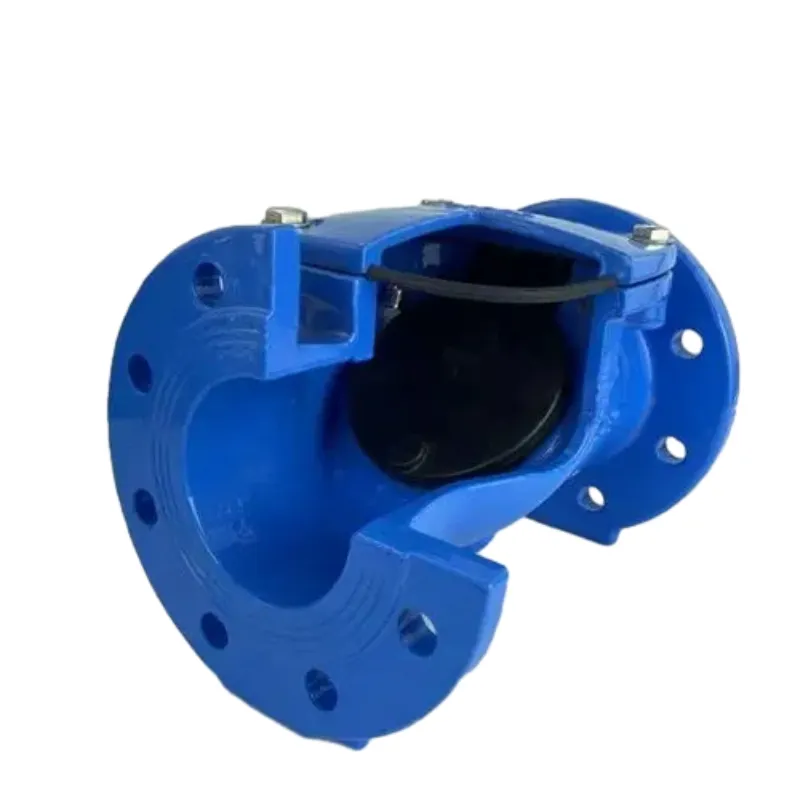
Valve anti - retour Baron
Le Vanne à Boule Un Dispositif Essentiel pour la Sécurité des Systèmes Hydraulique La vanne à boule
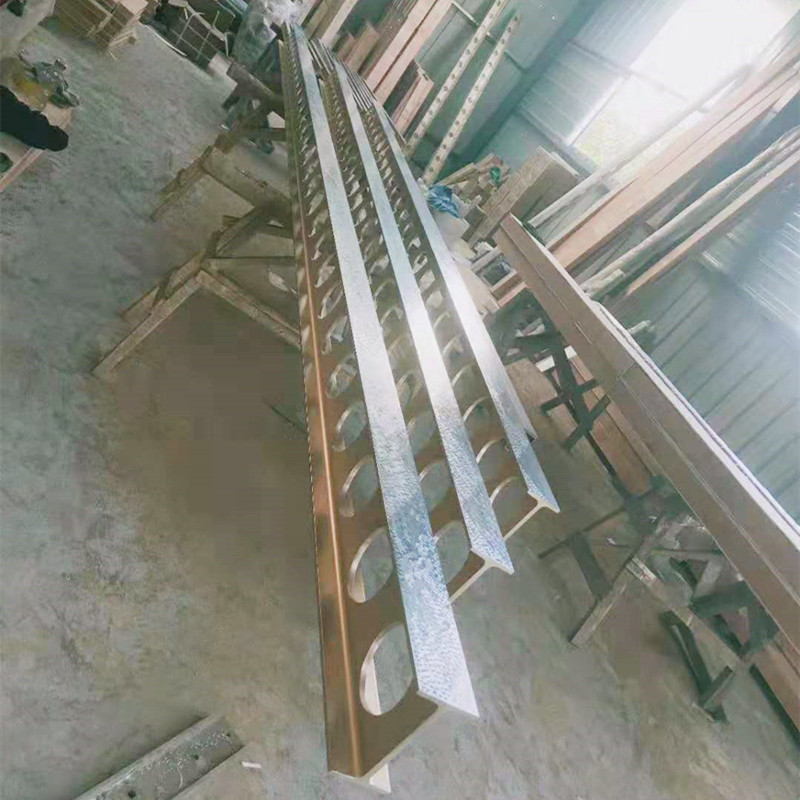
Welding Inspection Guide for Accurate Measurement and Quality Assurance
The Importance of Welding Inspection Rulers in Quality Control Welding plays a crucial role in the m
Wood Connectors and Brackets for Building Strong and Durable Wooden Structures and Projects
Brackets for Connecting Wood An Essential Tool for Any Woodworking Project When it comes to woodwork
 English